


The Power of Emotional Intelligence: Unlocking Success in Personal and Professional Life
- marichugaudiano
- Oct 19, 2024
- 2 min read
In a world where technical skills often dominate conversations about career success, emotional intelligence (EI) emerges as a powerful yet sometimes overlooked attribute. Emotional intelligence refers to the ability to recognize, understand, and manage our own emotions while effectively navigating the emotions of others. This essential skill can significantly impact our relationships, decision-making, and overall well-being.
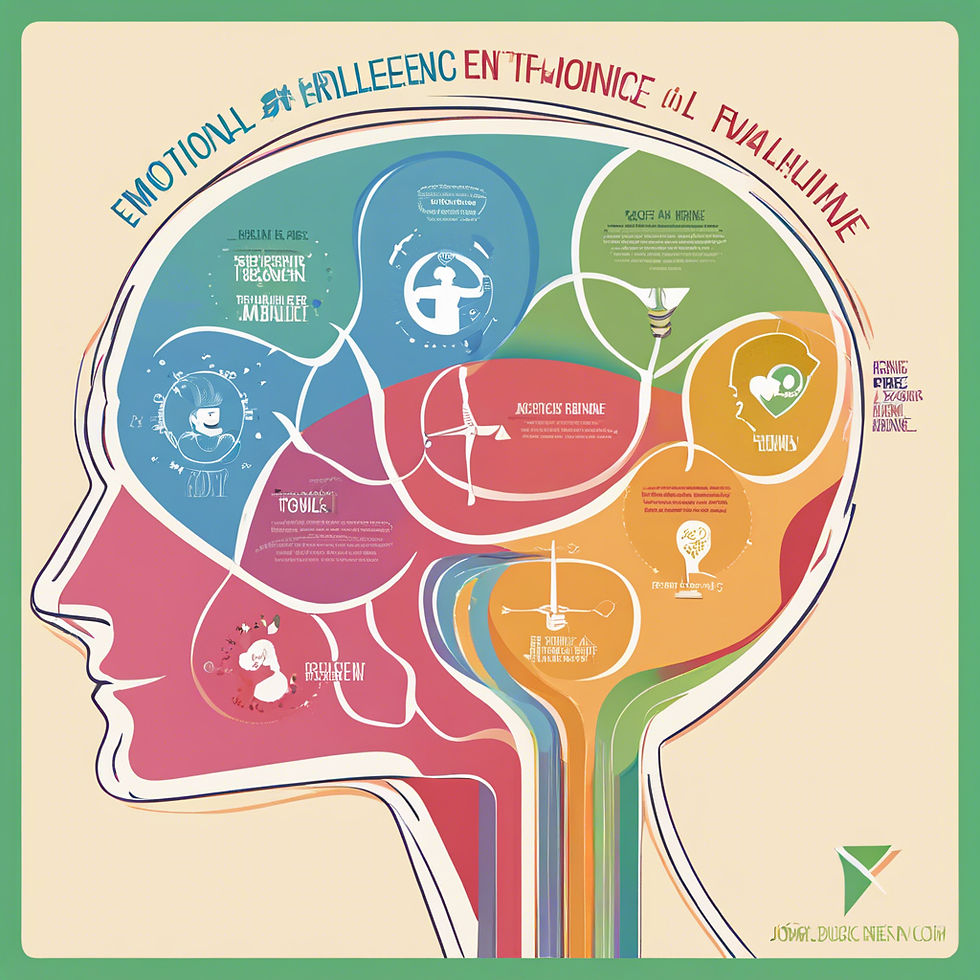
What is Emotional Intelligence?
Emotional intelligence encompasses several key components:
Self-Awareness: Recognizing and understanding your own emotions, strengths, and weaknesses.
Self-Regulation: The ability to manage your emotions and impulses, maintaining control even in challenging situations.
Motivation: Harnessing your emotions to pursue goals with energy and persistence.
Empathy: Understanding and being sensitive to the emotions of others, fostering stronger relationships.
Social Skills: Navigating social complexities and building rapport with others, essential for effective communication and collaboration.
The Importance of Emotional Intelligence
Enhanced Relationships: Individuals with high emotional intelligence are better equipped to understand and respond to the emotions of others. This leads to stronger interpersonal relationships, whether in personal or professional settings.
Improved Communication: EI fosters clear and empathetic communication. Understanding the emotional context of conversations helps in articulating thoughts and feelings more effectively.
Better Decision-Making: Emotionally intelligent individuals can balance rational thinking with emotional insights. This holistic approach leads to more thoughtful and effective decision-making.
Increased Resilience: High EI contributes to greater resilience in the face of stress and adversity. Individuals can manage their emotions better, allowing them to bounce back from setbacks.
Leadership and Influence: Leaders with emotional intelligence inspire and motivate their teams. They can navigate conflicts, build trust, and foster a positive work environment, all of which are essential for effective leadership.
How to Develop Emotional Intelligence
Practice Self-Reflection: Regularly assess your emotions and reactions. Journaling can be a helpful tool to explore your feelings and understand your triggers.
Seek Feedback: Ask trusted friends or colleagues for their perceptions of your emotional responses and interactions. Constructive feedback can provide valuable insights for growth.
Enhance Empathy: Make a conscious effort to understand the perspectives of others. Practice active listening and engage in conversations that encourage empathy.
Develop Coping Strategies: Learn techniques to manage stress and regulate your emotions. Mindfulness practices, such as meditation and deep breathing, can be effective tools.
Improve Social Skills: Engage in social situations and practice building rapport with others. Focus on effective communication, conflict resolution, and collaboration.
Conclusion
Emotional intelligence is a vital skill that significantly influences our personal and professional lives. By understanding and developing our emotional intelligence, we can enhance our relationships, improve communication, make better decisions, and navigate challenges with resilience. In today’s interconnected world, honing EI is not just beneficial—it’s essential for success and fulfillment. Embrace the journey of cultivating emotional intelligence, and unlock the potential for a richer, more meaningful life.


Comments